
Clenching or grinding the teeth (bruxism), together with temporomandibular joint (TMJ) disorders, can affect much more than dental health, impacting daily life and well-being.
We take a comprehensive approach. The causes vary widely, from stress and sleep disorders to alignment problems, and we work to identify and treat the root of the problem.
Treating bruxism and TMJ disorders
Tackling bruxism
Bruxism can cause headaches, tooth sensitivity and wear, and lead to more serious problems such as fractures.
We combine technology and therapeutic approaches. Custom night guards, for example, relieve pressure on the teeth at night.
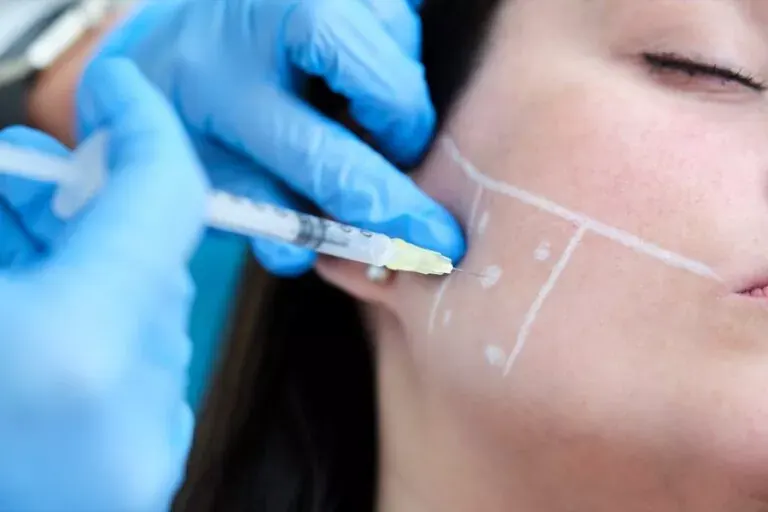
Facing TMJ disorders
The temporomandibular joint is essential for speaking and eating, and a disorder can be very limiting. Based on an accurate diagnosis, we offer treatment ranging from physical therapy to specific devices to restore function and relieve pain.
Care that goes beyond your smile
Our goal is more than treating symptoms: we aim for lasting solutions that improve our patients' quality of life.
What are the symptoms of bruxism?
- Wear, cracks or fractures in teeth and fillings.
- Jaw pain or fatigue on waking.
- Headaches, especially at the temples.
- Tooth sensitivity.
- Clicking when opening the mouth, or difficulty opening it.
What is a night guard (occlusal splint)?
A rigid, clear appliance made to fit your mouth, worn mainly at night. It does not cure bruxism, but it spreads the forces, protects the teeth from wear and relaxes the muscles. It should be checked periodically.
Frequently asked questions about bruxism and TMJ
What exactly causes bruxism?
Bruxism can have several causes, including stress, dental alignment problems and sleep disorders. An accurate diagnosis is essential to address the underlying cause.
How do I know if I have a TMJ disorder?
Common symptoms include jaw pain, difficulty chewing, clicking or popping when opening or closing the mouth, and jaw locking. If you notice any of these, contact us.
Is treatment for bruxism and TMJ disorders permanent?
Results vary with the person and the cause. In many cases treatment brings significant relief, but following recommendations and attending regular check-ups is essential for long-term effectiveness.
Do night guards cure bruxism?
Night guards do not cure bruxism, but they protect teeth from excessive wear and reduce jaw tension. They are a valuable tool in managing it.