

For us, conservative or restorative dentistry is a philosophy: preserving and restoring your natural teeth because of their importance to the look and function of your smile.
We prevent, diagnose and treat dental problems, always favouring techniques that extend the life of your teeth and avoid extractions.
Conservative dentistry treatments
Fillings
Decay is caused by bacteria that release acids when they metabolise sugars and starches, eroding enamel. Left untreated it reaches deeper layers of the tooth.
With a filling we remove the damaged tissue and restore the tooth with high-quality, natural-looking materials.
Rotary root canal treatment
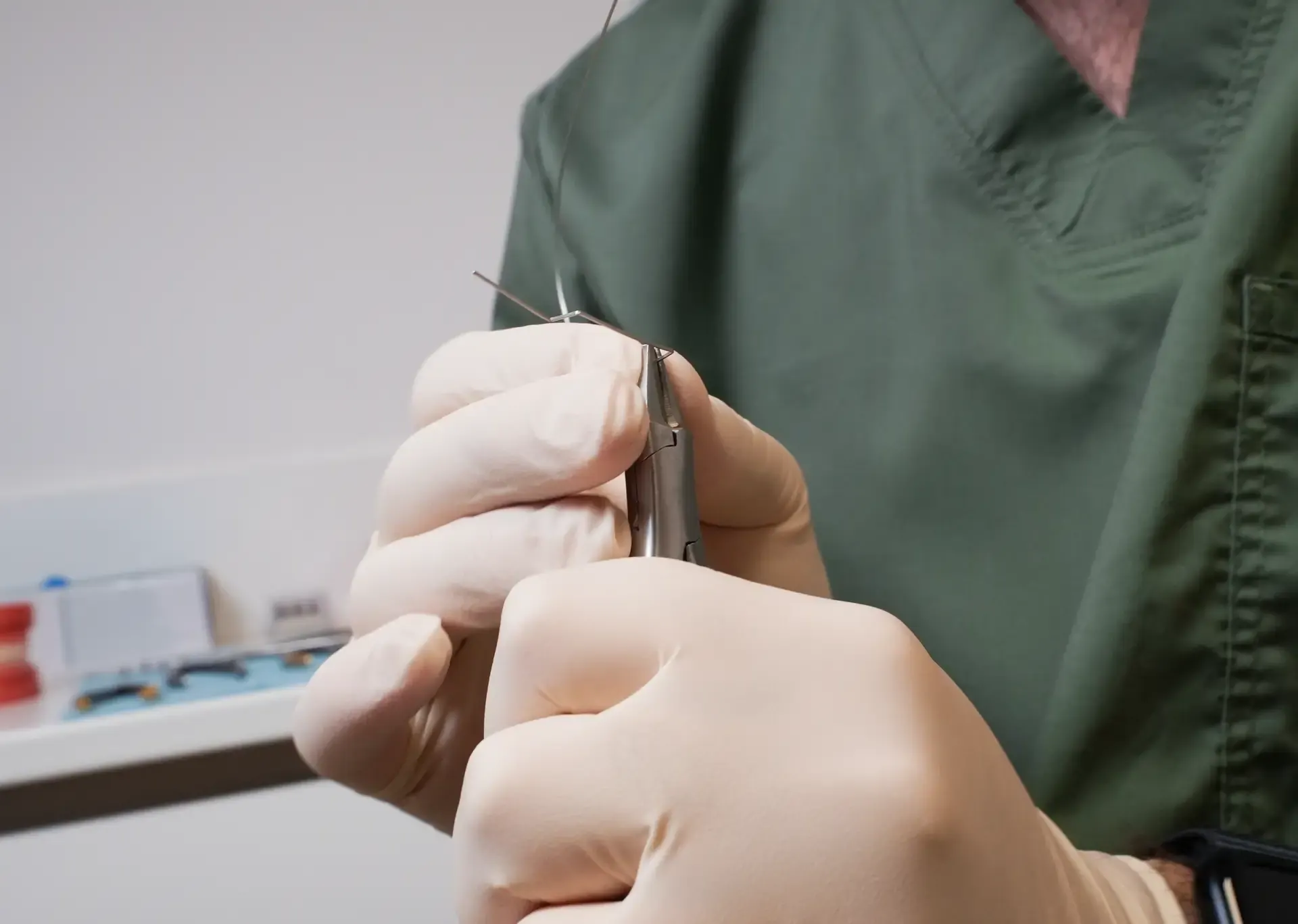
When decay has reached the dental pulp, we use rotary endodontics: high-precision rotary instruments that clean and shape the canals more efficiently and less invasively, reducing discomfort and recovery time.
What is a root canal and when is it needed?
It cleans, disinfects and seals the inside of a tooth whose pulp (the nerve) is inflamed or infected, usually because of deep decay, a fracture or a knock. It lets you keep the tooth instead of having it extracted.
Does a root canal hurt?
It is done under local anaesthetic, so it should not hurt during treatment. The tooth may feel tender when biting for a few days; ordinary painkillers are usually enough. The tooth often needs a rebuild or crown afterwards to protect it.
When can a tooth be fixed with a filling?
If decay or a fracture is small or medium-sized, a composite filling is enough. If a lot of structure is lost, a larger rebuild, an inlay or a crown is needed. We decide after the examination and X-ray.
Who will treat you

Dra. Carolina Chica Isaza
Endodontics
Registration no.: pending confirmation

Dra. Elena López González Quevedo
General dentist and prosthodontist
Registration no. 28017376
Frequently asked questions about conservative dentistry
What is the difference between conservative and restorative dentistry?
Both focus on preserving natural teeth. Conservative dentistry focuses on preventing and stopping damage (such as decay), while restorative dentistry repairs or replaces damaged or missing teeth.
How do I know if I need a root canal?
Persistent pain, sensitivity to hot or cold, swelling or discolouration of the tooth may indicate a root canal is needed. Only a dental examination can confirm it.
Are fillings permanent?
Modern restorations are durable and designed to last many years, but they may need replacing over time. Good oral care and regular check-ups help them last.